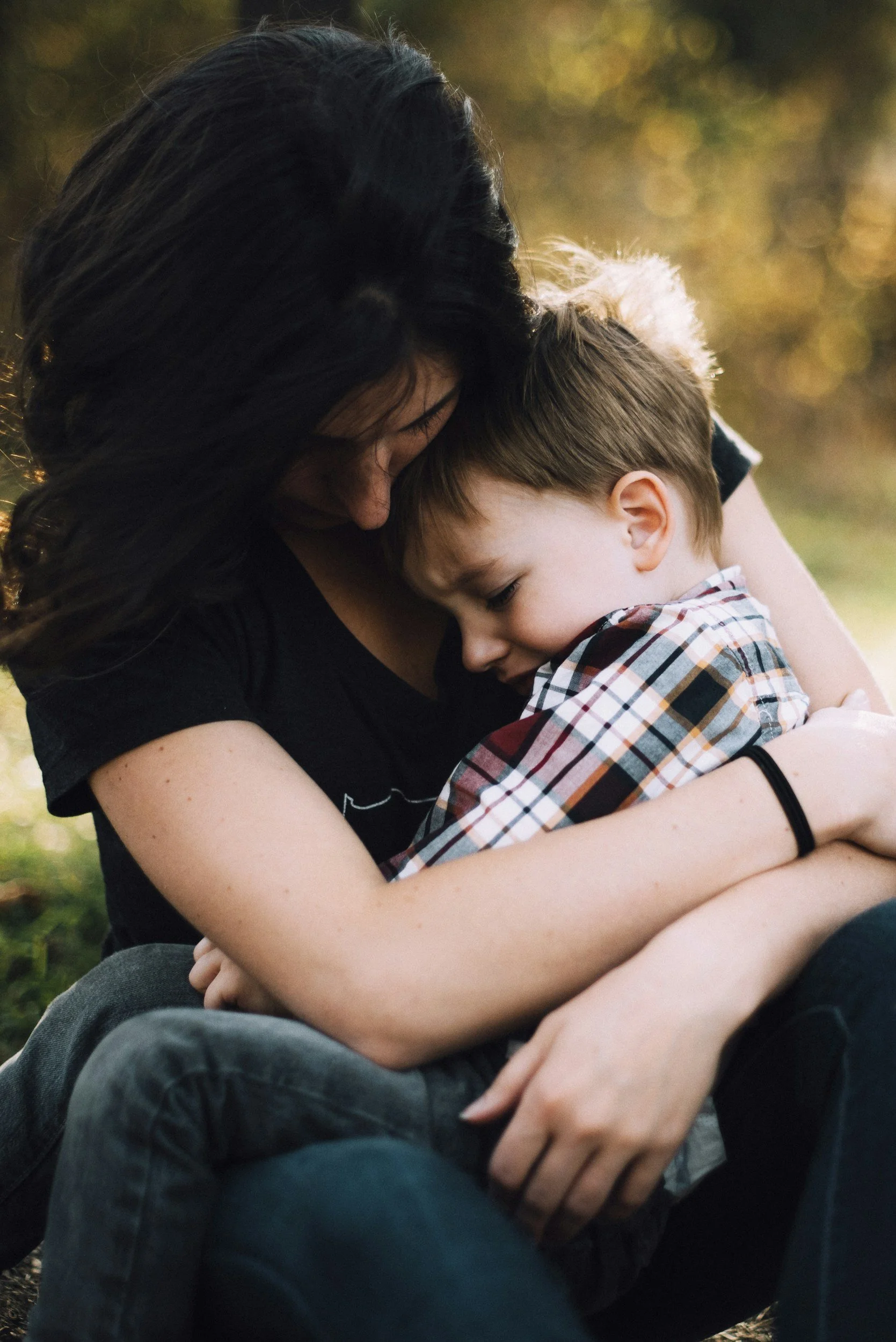
When Grief Looks Like Behavior: Recognizing the Many Faces of Loss in Children
Understanding how grief can affect children's emotional, behavioral, cognitive, and social functioning is an important part of providing developmentally informed care.
When a child loses someone close to them, their grief may not look the way adults expect. Some children cry or talk about their loss, but others show their distress through changes in behavior, mood, or daily habits. For professionals, recognizing these hidden signs of grief is essential. What looks like defiance, withdrawal, anger, or trouble focusing may actually be a child struggling to process a major loss.
How Grief Shows Up in Children
Unlike adults, children often lack the words or developmental maturity to explain how they feel. Instead, grief may show up in these four areas:
Behavior: Children may show increased irritability, aggression, tantrums, or changes in sleeping and eating. Some may cling to caregivers, while others may act unusually independent and refuse help.
Emotions: Children may feel sadness, anger, guilt, fear, anxiety, or numbness. Younger children often worry they caused the death. Older youth may struggle with questions about fairness, identity, and the future.
Thinking and Schoolwork: Grief can hurt focus, memory, motivation, and problem-solving. A student who used to do well may suddenly struggle to finish work, follow directions, or stay focused.
Social Life: Children may pull away from friends, lose interest in activities, or struggle to connect with peers. Some may avoid talking about the death, while others may bring it up constantly.
These reactions are usually not signs of a mental health disorder. Instead, they are natural ways children try to process a loss they do not fully understand.
When Grief Looks Like Something Else
A common clinical challenge is mistaking grief for other behavioral or developmental issues. For example, a grieving child who is distracted and restless might be misdiagnosed with ADHD. A child who is irritable or refuses to go to school might be viewed as defiant or anxious.
While those diagnoses are still possible, professionals must look at the child's behavior in the context of their loss.
Key Assessment Questions:
Did the behavior change after the loss?
Are these struggles different from the child’s usual baseline?
Does the child show distress around holidays, anniversaries, or milestones?
Has the loss affected their relationships, schoolwork, sleep, or routines?
Does the child have safe spaces to talk about the loss?
Are there signs of anxiety, depression, trauma, or safety risks?
It is also important to consider the child's age, their relationship to the deceased, how the person died, and the support systems available to them.
The American Academy of Pediatrics (AAP) notes that grief often includes guilt, shame, and fear. The AAP also emphasizes "secondary losses"—such as changes in family roles, daily routines, and a child’s overall sense of safety. Finally, remember that grief is not linear. A child may seem fine, but experience renewed distress months or years later as they reach new developmental milestones.
How to Support Grieving Children
Professionals can help children feel safe and connected after a loss. Useful strategies across school, medical, and clinical settings include:
Validate their feelings: Do not minimize their emotions or tell them to move on. Allow space for sadness, anger, confusion, and joy. Teach them there is no single "right" way to grieve.
Use age-appropriate language: Match your communication to the child's developmental level. Younger children need concrete explanations (avoiding confusing euphemisms like "passed away"), while teens may need to explore more complex emotions.
Keep routines predictable: Consistency at home and school restores a sense of safety. Offer flexibility and reasonable accommodations when grief interferes with schoolwork.
Collaborate with caregivers and schools: Parents, teachers, and counselors should work together to spot changes in behavior. This prevents children from being misunderstood or disciplined for grief-related reactions.
Monitor for clinical safety: While many children adjust over time, some need extra help. If a child shows worsening symptoms, severe depression, trauma, or safety risks, refer them to a mental health professional. Any concern about self-harm or harm to others requires immediate action.
Clinical Takeaway
Grief does not always announce itself with tears. Often, it looks like a drop in grades, a change in behavior, increased anxiety, or social withdrawal.
Before trying to correct or discipline a difficult behavior, ask yourself what the child might be communicating through it. Looking beyond the behavior allows us to respond with empathy, ask better questions, and support the whole child.
The most important question we can ask is not, "How do we stop this behavior?" but rather, "What is this child trying to tell us?"